The Complete Guide to
Exhaust Wraps for B2B Buyers
Exhaust wraps do more than just look aggressive—they control blistering engine bay temperatures, increase exhaust gas velocity, and protect vital surrounding components.
In this guide, we help B2B buyers, importers, and performance shops understand the critical differences between fiberglass and titanium exhaust wrap tape, core applications, and how to source profitable retail kits.
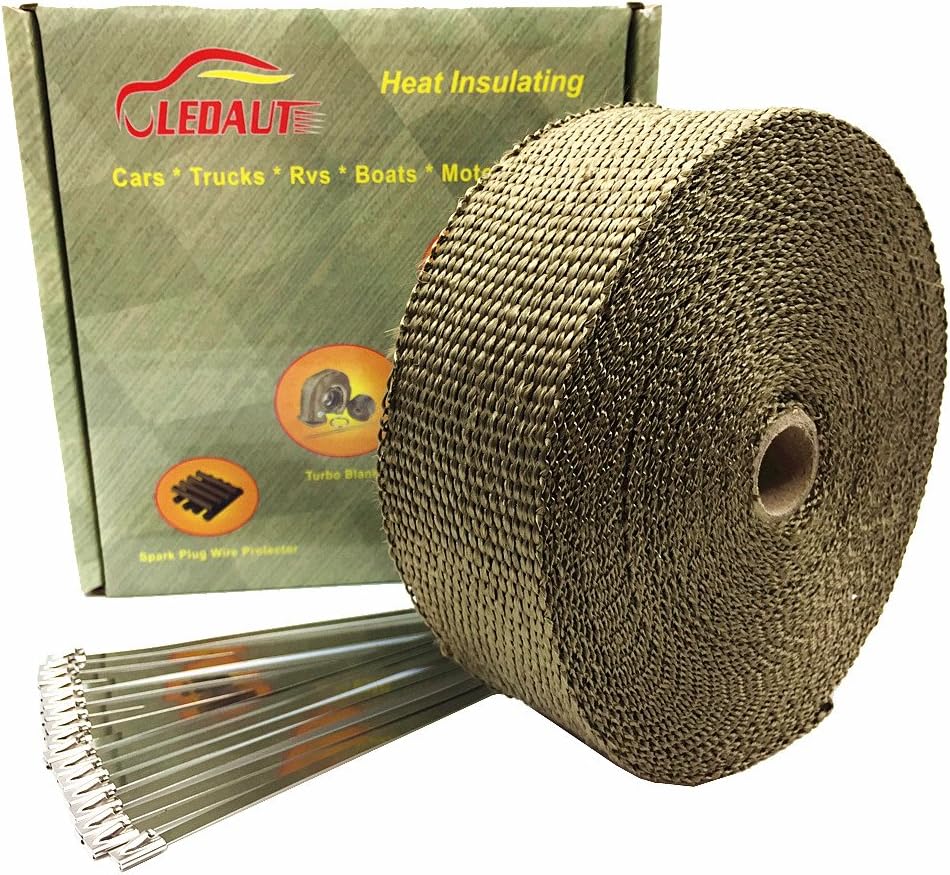 [Image 1: Titanium Exhaust Wrap Kit]
Quick Answer
An exhaust wrap works by retaining heat inside the exhaust pipe. This decreases gas density, increases exhaust velocity (scavenging effect), and drastically drops under-hood temperatures.
For wholesalers, Titanium and Fiberglass are the two core materials to stock. Complete kits equipped with stainless steel locking ties are the most profitable retail formats.
Designing your retail packages?
Learn about OEM/ODM packaging support.
How an Exhaust Heat Wrap Works
Whether they call it an exhaust system wrap or an exhaust pipe heat wrap, the physics remain the same. The wrap acts as a thermal barrier.
By keeping the exhaust gases hot, they stay less dense and flow faster out of the system. Faster exhaust velocity means better engine breathing and potential horsepower gains.
A quality wrap can reduce under-hood radiant heat by up to 50%. This is critical to prevent melting sensitive nearby parts like silicone vacuum hoses and fuel line kits.
 [Image 2: Heat Protection Diagram]
Titanium vs. Fiberglass: Which Should You Stock?
Fiberglass Exhaust Wrap
Woven from traditional fiberglass yarns, a fiberglass exhaust pipe wrap is the original industry standard. It's cost-effective and available in multiple dyed colors (black, white, red, etc.) for customized aesthetics.
- Wet Installation: Must be soaked in water before wrapping to make it pliable and reduce itchy fiberglass dust.
- Max continuous heat rating: ~1,200°F (650°C).
Titanium Exhaust Wrap
Made from pulverized lava rock woven into a tight mesh. A titanium exhaust wrap is significantly stronger and more durable. It boasts a distinct, high-end carbon-gold appearance that racers love.
- Dry Installation: Highly pliable out of the box. No soaking required, making it incredibly installer-friendly.
- Max continuous heat rating: ~1,800°F (980°C).
Core Applications
Knowing where your end-users apply the wrap helps you tailor your marketing and kit lengths.

Motorcycle Exhaust Wrap
Whether it's a moto exhaust wrap for a Harley, Bobber, or Cafe Racer, the goal is twofold: creating a rugged aesthetic and preventing riders from burning their legs on exposed hot pipes.

Exhaust Header & Manifold Wrap
The header is the hottest part of the system. An exhaust manifold wrap specifically targets this area to lock heat inside the cast iron or tubular headers before it bakes the engine bay.
How to Wrap an Exhaust Pipe
Following best practices ensures a tight fit that won't unravel under heavy vibration.
- Measure & Cut: Estimate length. It's better to cut slightly longer than needed.
- Prep (If Fiberglass): Soak fiberglass wrap in a bucket of water to make it pliable. (Skip this for Titanium).
- Wrap & Overlap: Start at the bottom of the pipe and work upwards (so overlaps face down, preventing dirt ingress). Maintain a strict 1/4 inch overlap continuously.
- Lock it Down: Secure the ends using high-quality stainless steel locking ties.
Does Exhaust Wrap Cause Rust?
This is the most common debate among car enthusiasts. The truth lies in the pipe material, not the wrap itself.
If a wrap is applied to cheap mild steel or low-grade aluminized piping, moisture condensation from heat cycling can accelerate rust. However, if the wrap is applied to high-quality SS304 Stainless Steel, it will not rust or rot the pipes.
B2B Sourcing Checklist for Wrap Tape
Whether you are an importer or an e-commerce seller, these are the specs you must finalize with your manufacturer to create a profitable retail kit.
Ensure titanium wrap is made from genuine crushed lava rock, not dyed fiberglass.
1-inch width is best for tight bends (motorcycles); 2-inch width is standard for car headers.
Stock standard lengths: 5-meter, 10-meter, and 15-meter rolls to cover all project sizes.
Always bundle with stainless steel locking ties (zip ties) so it's a ready-to-use kit.
Opt for blister packs or customized color boxes for attractive e-commerce or shelf display.
Looking for customized boxes? Ask for OEM/ODM custom retail packaging.
Exhaust Wraps FAQ
Do I need to soak titanium exhaust wrap before installing?
No. Titanium wrap (made from crushed lava rock) is designed to be installed dry. It is naturally highly pliable. Only standard fiberglass wraps require soaking in water prior to installation.
How much exhaust wrap do I need for a V8 header?
As a general rule, a standard V8 exhaust header typically requires about 50 feet (15 meters) of 2-inch wide wrap per side, meaning you will need two 50ft rolls to complete both sides.
Will exhaust wrap ruin my catalytic converter?
You should never wrap a catalytic converter itself, as it needs to dissipate heat. Wrapping pipes before the converter is generally safe, but extreme heat retention could prematurely age older, lower-quality converters.
Can LEDAUT supply private label exhaust wrap kits?
Absolutely. We specialize in B2B wholesale. We can cut wraps to custom lengths, include precise quantities of stainless locking ties, and package them in your branded boxes ready for retail.
Source Exhaust Wraps
from LEDAUT
Create high-margin retail kits with our premium Titanium and Fiberglass wraps, complete with stainless steel hardware.
Ready to stock up? View our Exhaust Wraps catalog.