
Silicone Vacuum
Hose Kits.
One kit replaces the tired rubber vacuum lines on your entire vehicle. Six most-used sizes from 3mm to 10mm, each 2 metres long — enough for two cars. Rated from -40°C to 220°C with an OEM black finish.
The Complete Setup.
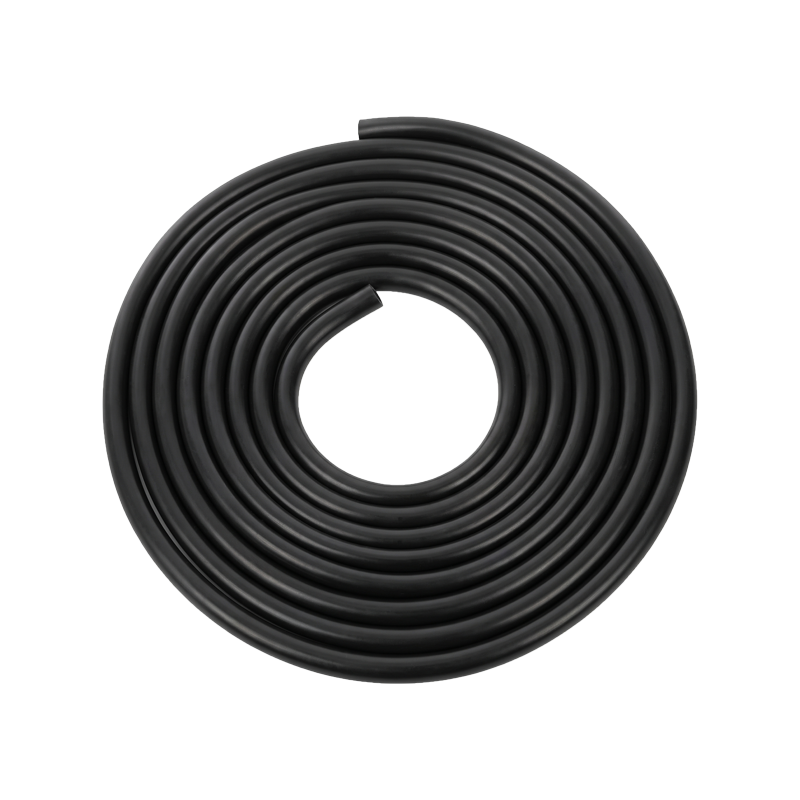
LEDAUT Silicone Vacuum Hose Kit
The ultimate one-stop solution for replacing aging rubber vacuum lines. Includes 6 of the most common sizes, constructed with a heavy-duty 3mm thick wall to prevent collapse under high vacuum.
- Included Sizes: 3mm, 4mm, 5mm, 6mm, 8mm, 10mm
- Length: 6.6ft (2 Metres) per size
- Wall Thickness: 3.0mm (Anti-collapse design)
- Temp Rating: -40°C to 220°C
That Rough Idle
Isn't Normal.
Is your car suffering from rough idle, hard starts, or mysterious check engine lights? Vacuum leaks are the #1 suspect. 30-year-old rubber lines are living on borrowed time.
Heat & Cold Destroys Rubber
Extreme engine bay temperatures bake factory rubber lines until they crack. Our premium silicone handles -40°C to 220°C with ease, staying soft and flexible.
OEM Look, Better Performance
A complete silicone kit costs a fraction of OEM rubber replacements, lasts significantly longer, and the matte black finish keeps your engine bay looking factory authentic.
Aging Starts from the Inside
You can't always see a vacuum leak. Internal cracking collapses lines under pressure. Upgrade to our heavy-duty 3mm thick wall silicone to prevent collapse.
6 Sizes In One Kit
Covers Almost Every Vacuum Need in Your Engine Bay
Where To Route Silicone Lines.
Silicone is incredible for heat resistance and flexibility, but it's not made for everything. Here is the honest breakdown of where to use this kit.
Perfect For
- • Engine vacuum signal lines
- • Carburetor balance lines
- • Intake and intercooler piping connections
- • Radiator coolant overflow lines (Water/Air)
Do Not Use For
- • Fuel Lines: Silicone breaks down in petrol/diesel. Use our PTFE Fuel Line Kits instead.
- • Oil/PCV Lines: Heavy oil vapors degrade standard silicone.
- • Heavy-Duty Brake Boosters: High-vacuum safety systems require specialized reinforced hoses.
Silicone vs Factory Rubber
| Feature | Standard Rubber | Our 3mm Silicone |
|---|---|---|
| Temperature Rating | Up to 120°C (Hardens) | -40°C to 220°C (Stays flexible) |
| Wall Thickness | 1.5mm - 2.0mm | Heavy-Duty 3.0mm |
| Lifespan | Prone to cracking over time | Long-lasting flexibility |
| Fitment Tolerance | Rigid (Needs hose clamps) | Elastic (Stretches to seal tightly) |
How To Choose.
Measure Inner Diameter (ID)
Use calipers to measure the outer diameter of the nipple/fitting on your engine. Choose a silicone hose size that is exactly the same or slightly smaller (e.g., use 4mm hose for a 4.5mm nipple) to utilize the elastic stretch fit.
Estimate Total Length
Trace your old vacuum lines. Our base kit includes 2 metres (6.6ft) of each size, which is generally enough to replace all vacuum lines on up to two standard vehicles.
Select Kit & Connectors
Grab the 6-piece kit. If your build requires splicing lines, splitting signals to a boost gauge, or making 90-degree turns without kinking, make sure to add our Connector Pack.
Silicone Vacuum Hose Sizes
All six diameters ship in one box, each cut to 2 meters with a uniform 3 mm wall. Sizes below are inner diameter (ID) — measure the barb or hardline you are fitting onto, not the outside of the old hose.
| Imperial ID | Metric ID | Wall | Length / Piece | Typical Use |
|---|---|---|---|---|
| 1/8" | 3 mm | 3 mm (0.12") | 6.6 ft / 2 m | Fuel vapor and small vacuum ports |
| 5/32" | 4 mm | 3 mm (0.12") | 6.6 ft / 2 m | Boost gauges, MAP sensor lines |
| 3/16" | 5 mm | 3 mm (0.12") | 6.6 ft / 2 m | Most OEM vacuum hardlines |
| 1/4" | 6 mm | 3 mm (0.12") | 6.6 ft / 2 m | Brake booster, PCV, charcoal canister |
| 5/16" | 8 mm | 3 mm (0.12") | 6.6 ft / 2 m | Idle air control, larger vac circuits |
| 3/8" | 10 mm | 3 mm (0.12") | 6.6 ft / 2 m | Breather, coolant bypass, catch cans |
Rubber vs Silicone vs PTFE
These three materials are not interchangeable. Silicone is the right answer for vacuum, coolant and intake air — and the wrong answer for fuel or oil, where it swells and eventually fails. If your line carries gasoline or diesel, you want PTFE, not this kit.
| Property | Rubber (OEM) | Silicone (this kit) | PTFE (braided) |
|---|---|---|---|
| Best for | Stock replacement, low heat | Vacuum, coolant, intake, boost lines | Fuel, oil, high-pressure EFI |
| Heat | Hardens and cracks with heat cycles | -40°C to 220°C, stays flexible | Higher, but depends on the braid |
| Against fuel and oil | Degrades over time | Not for fuel or oil | Chemically inert |
| Fittings | Barb + spring clamp | Barb + hose clamp | AN or compression, sold separately |
| Relative cost | Lowest | About 2x rubber | Highest |
Running fuel through silicone is the one mistake worth calling out. Hydrocarbon vapour makes silicone swell and soften from the inside, and the failure shows up as a spongy line long before it shows up as a leak. For anything that carries gasoline or diesel, use a PTFE fuel line kit instead.
Where The Heat Actually Is
Engine bay temperature is not one number. Two hoses three feet apart can see a 300°C difference, and picking by material alone is how lines fail early. Here is what each zone actually asks of the hose.
| Where the line runs | Typical temp | What to run | Why |
|---|---|---|---|
| Intake side, post-intercooler | 30–80°C | Any material | Nothing here is stressed. OEM rubber lasts years. |
| Engine front, away from exhaust | 80–120°C | EPDM or silicone | Most OEM vacuum lines live in this band and cope fine. |
| Near turbo or header | 150–260°C | Silicone, plus a sleeve | Upper end of the 220°C rating. Add heat-reflective sleeving on anything touching. |
| Within 2 in of the manifold | 200–315°C | Sleeve mandatory — or reroute | Above the rating. No hose survives bare here. |
The cheapest fix is distance. Every extra inch between a vacuum line and the manifold buys service life, and rerouting costs nothing but a longer hose. Where the routing is genuinely boxed in — turbo cars usually are — run silicone and put a reflective sleeve over it rather than hunting for a more exotic material.
Engineered For Extremes.
We don't just sell hoses; we manufacture them. See why our extrusion process creates a superior vacuum seal.
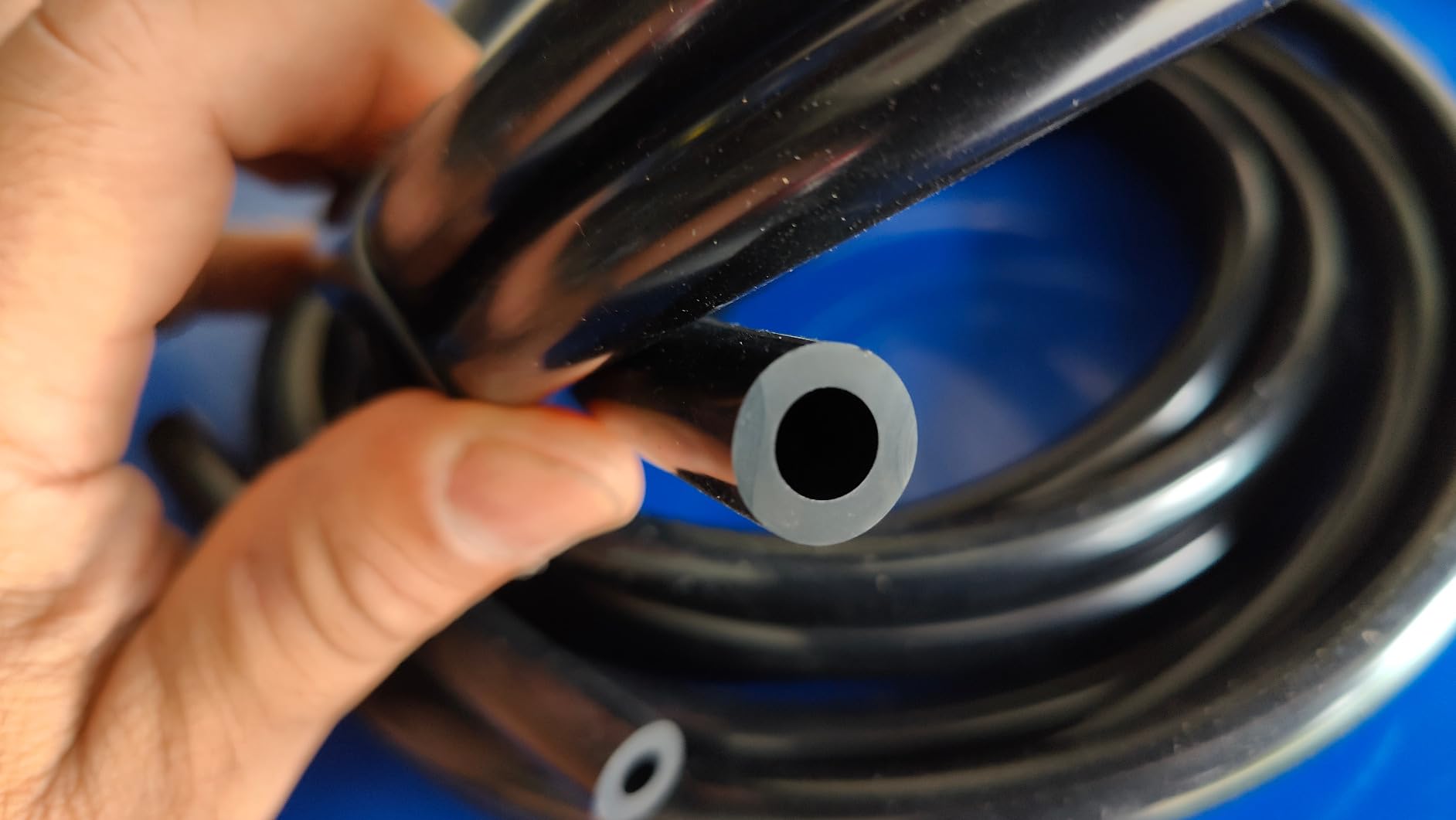
True 3mm Wall Thickness
Unlike cheap 1.5mm alternatives that suck flat under high manifold vacuum, our robust 3mm extrusion guarantees shape retention under heavy load.
100% Premium Silicone
No cheap fillers or recycled rubber. Formulated for maximum thermal stability (-40°C to 220°C) and superior elasticity for a clamp-free seal.
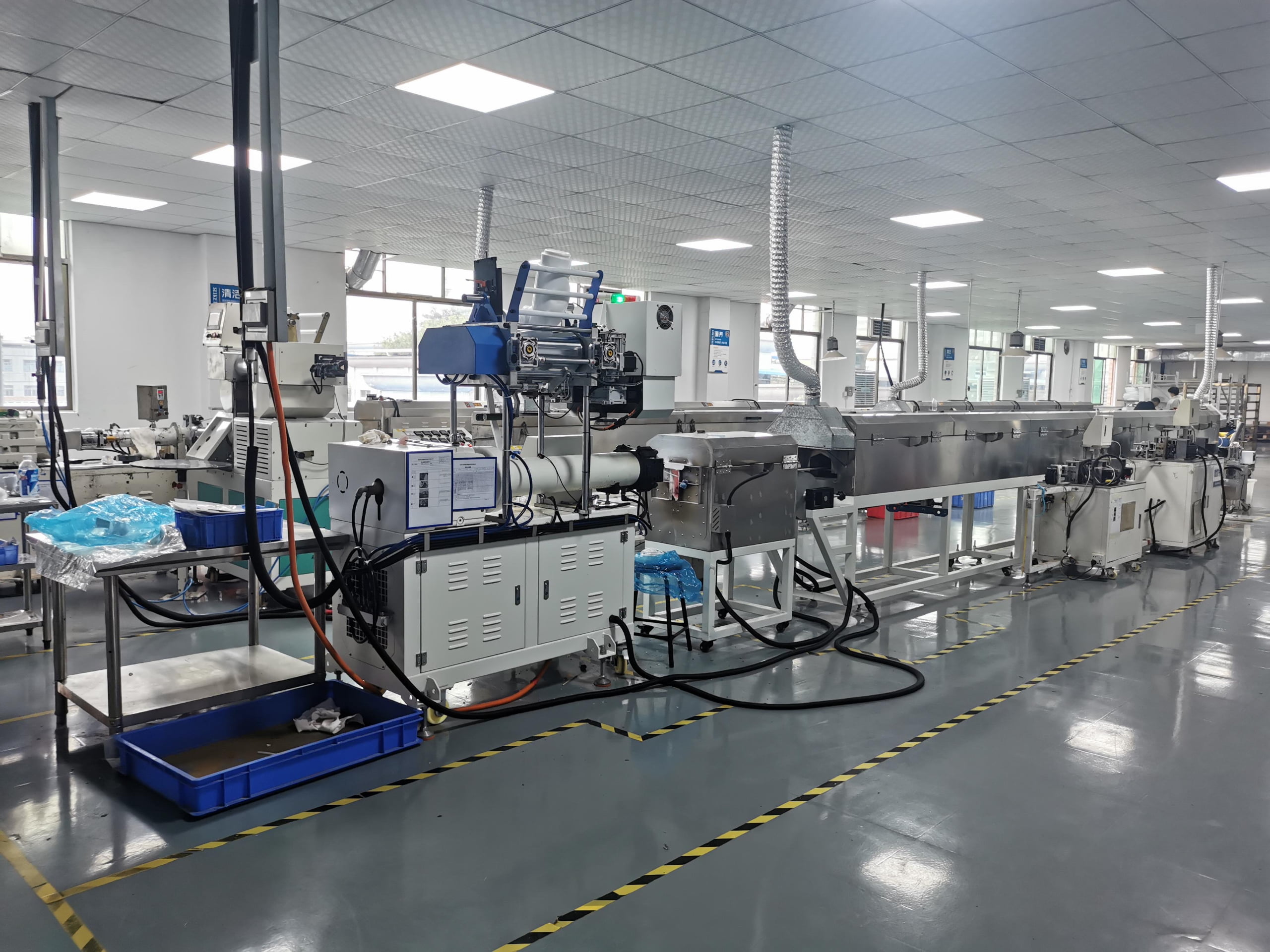
Direct Manufacturer
Skip the middleman. Whether you need a single 6-piece kit for a restoration project or bulk OEM tooling for your brand, we supply direct.
Frequently Asked Questions.
What sizes are included in the kit?
The kit includes 6 internal diameters: 3mm, 4mm, 5mm, 6mm, 8mm, and 10mm (covering approx. 1/8" to 3/8"). Each hose comes in a continuous 2-metre (6.6ft) length.
Is 3mm wall thickness really important?
Yes. Standard cheap silicone hoses often use 1.5mm to 2mm walls, which can easily collapse under high engine vacuum. Our heavy-duty 3mm thick walls resist collapse and ensure a steady vacuum signal.
Will it survive turbo engine bay heat?
Absolutely. This silicone is rated to withstand temperatures from -40°C up to 220°C. It will not bake, harden, or crack near hot engine components like standard rubber does.
Can I use this for fuel or oil lines?
NO. Standard silicone will degrade rapidly if exposed to petrol, diesel, or heavy oil. For fuel systems, you must use our PTFE Fuel Line Kits. Keep PCV/oil vapor systems on EPDM or specialized hoses.
Does the kit include plastic connectors?
The 6-piece base kit includes the hoses only. If you need tees, elbows, and straight unions, we highly recommend adding our dedicated Connector Pack to your cart.
Is color an issue for performance?
Color does not affect performance. We manufacture these exclusively in black to maintain a clean, professional, and authentic OEM look for your engine bay, making them perfect for classic car restorations.
Built & Tested By Enthusiasts.
A Smart Upgrade
"Bought this kit to rebuild the brittle lines on my 30-year-old Jeep project. The 3mm wall is serious quality. Swapped the entire engine bay in 30 minutes. Cured my rough idle immediately."
Better Than OEM Rubber
"Much more pliable than the factory Toyota 5VZ-FE rubber lines. The elasticity means it seals tight onto nipples without needing zip ties or clamps. Great value for the length provided."
Enough For 2 Cars
"The most common sizes you'd ever need. 2 metres each is extremely generous. I re-hosed my track car and still had enough left over to do my daily driver. You can't beat this for the price."
Complete Your Engine Bay Build.
Rebuilding the engine bay? One cart, complete build. Upgrade your vacuum lines, secure your fuel system with our PTFE Fuel Line Kits, and take full control with our Valved Exhausts.
Replace worn rubber vacuum lines with our premium 6-piece silicone vacuum hose kit. Perfect for fixing rough idle issues and vacuum leaks. Featuring 3mm to 10mm sizes with a heavy-duty 3mm thick wall, our silicone vacuum hose set withstands extreme temperatures from -40°C to 220°C. Engineered to keep the OEM black finish for a clean engine bay build. Ensure your vehicle passes TÜV/MOT inspections by eliminating hidden vacuum leaks. Add our connector pack (tees, elbows, barbed unions) for a complete installation. Fast EU delivery available.