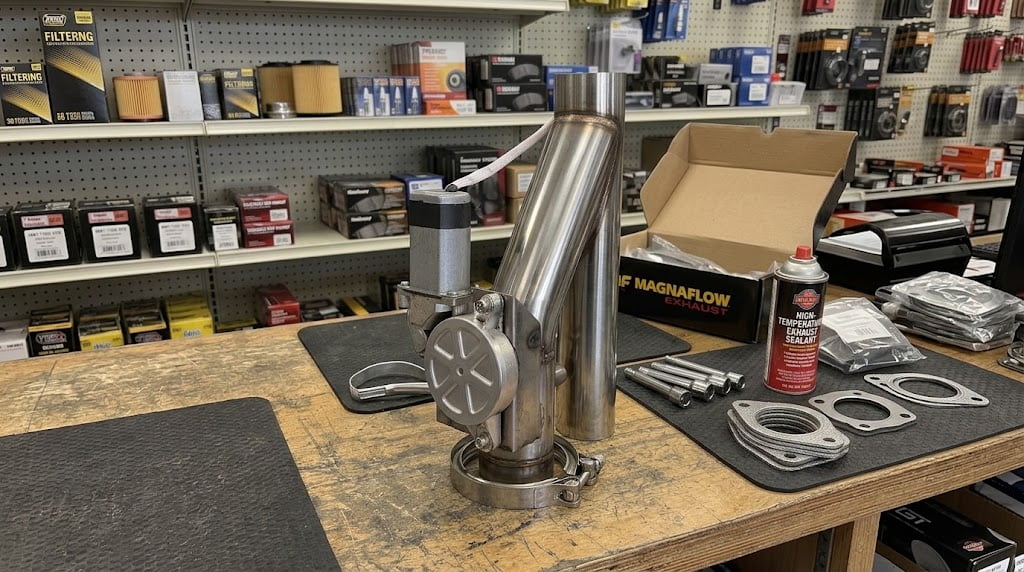
Wholesale Exhaust Cutouts: A Buyer’s Guide for Performance Shops
If you stock exhaust parts for performance shops, reliable wholesale exhaust cutouts are a line you can’t afford to skip. Electric and manual cutouts serve different buyer segments, and stocking the right mix means faster turnover and fewer dead inventory dollars. The performance exhaust aftermarket continues to grow, driven by DIY tuning culture, track day participation, and the simple appeal of controlling exhaust note at the push of a button. Here’s what we’ve learned from supplying shops and wholesale distributors for 10 years — no fluff, just what moves.
Electric vs Manual — Which One to Stock?
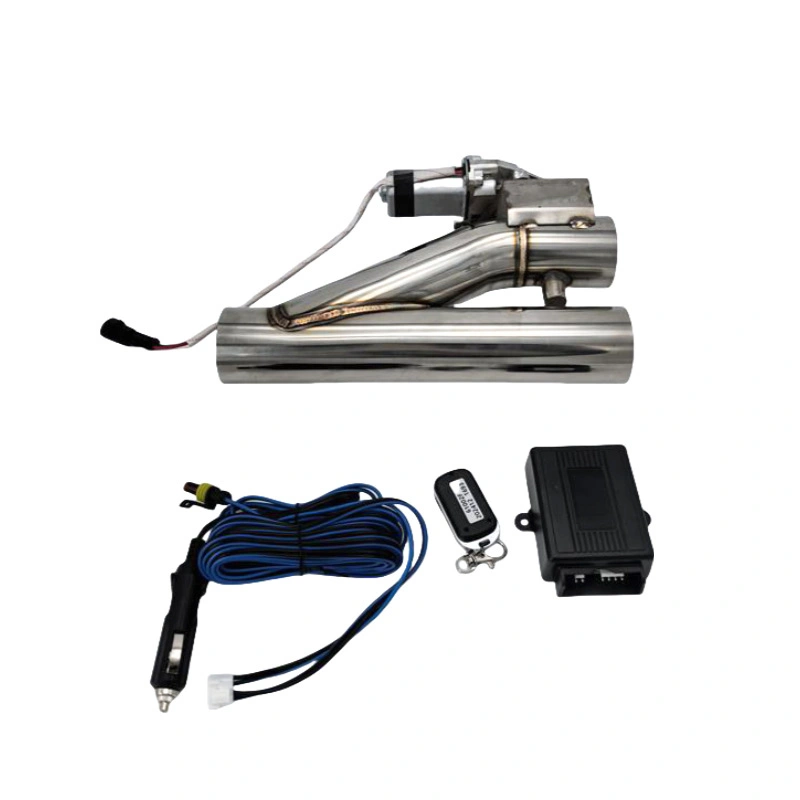
The first decision: which type should take up shelf space? Based on our B2B order data, electric exhaust cutouts account for roughly 70% of demand. Shops prefer it because customers want the convenience of a remote switch — open when they want noise, closed when they don’t. Modern LEDAUT units feature sealed motors rated IP67 against water and debris, surviving undercarriage exposure far better than older designs. Multi-channel remote systems let a single remote operate multiple cutouts on dual-exhaust vehicles independently.
Manual exhaust cutouts still have a solid place, especially for budget builds, track-only cars, and off-road rigs where a cable or lever is fine. It’s simpler, cheaper, and less likely to fail — no electronics, no motors, no remote batteries to die at the worst moment. When a weekend racer is on the track, the last thing they want is a motor that stalls halfway open. Manual cutouts give full control with zero electrical dependency.
The downside? The driver has to reach under the car to operate it — not ideal for daily drivers. Cable-operated manual cutouts solve part of this by routing a pull-cable into the cabin, though installation complexity increases. For off-road and dedicated track vehicles where comfort takes a back seat to reliability, manual remains the preferred choice.
Our recommendation: If you’re just starting out, go 70/30 electric-to-manual. That split matches real B2B demand and avoids overstocking slow movers. As you grow, watch regional sell-through rates — some areas with strong track culture may skew more toward manual.
5 Key Considerations When Sourcing Exhaust Cutouts for Your Shop
Whether you’re sourcing bulk exhaust cutouts directly from a manufacturer or adding a new SKU, these five specs make or break your margins and customer satisfaction.
1. Material — 304 Stainless vs Mild Steel
304 stainless resists rust and lasts through salty winters. Mild steel is cheaper but rusts visibly within a single winter in northern climates. For B2B shops, stock stainless as the standard and mild steel only as a budget option for short-term use. Crucially, the valve blade itself should always be stainless, even in mild steel housings — a rusted valve blade is what causes cutouts to stick or fail to seal. Verify that the grade is true 304, not 201 or 430, which offer inferior corrosion resistance despite similar appearance. Every LEDAUT exhaust valve undergoes strict SS304 TIG welding inspections to ensure maximum durability.
2. Power Rating — Match the Exhaust Volume
We offer both high-power (45W+) and low-power (25W) motor options for electric cutouts. High-power handles large-diameter exhausts (3″ and up) without stalling under backpressure — critical for diesel trucks and high-HP builds. The higher torque also ensures the valve opens fully when carbon buildup creates resistance over time. Low-power is fine for 2.5″ daily drivers but will struggle with a 4″ diesel exhaust that has accumulated soot. Stock both — shops need the option. A simple rule: if engine displacement is over 5.0L or the vehicle is turbocharged, recommend high-power.
3. Pipe Diameter — Common Sizes
2.5″ and 3″ cover about 90% of the aftermarket. These sizes fit everything from Honda Civics to Mustang GTs, F-150s, and European performance sedans. The remaining 10% splits between 2.25″ (older imports), 3.5″ (growing with modern muscle cars), and 4″ (diesel trucks, high-HP builds). Stick to the bread and butter sizes for faster turnover. Adding 4″ as a special-order item reduces risk — demand is real but sporadic.
4. Remote Control Frequency
Most electric exhaust cutouts use 315MHz or 433MHz. A universal remote with learnable codes across both bands reduces your SKU complexity — one remote instead of two or more. We use one remote platform for all our cutouts; shops love not carrying three different remotes. Beyond frequency, check remote range (quality units work at 50-100 feet) and battery life (12+ months on a coin cell). Cheaper units often cut out at 20 feet or require line of sight.
5. Vehicle Fitment Range
Universal fitment is the norm, but check whether the cutout mounts in-line (requires welding) or clamp-on. Clamp-on wins at retail because it’s DIY-friendly — a competent home mechanic can install one in under an hour with basic hand tools. This removes the barrier of requiring a welding shop, which is the single biggest reason DIYers abandon a cutout purchase. If your supplier offers both, you can serve shops that install (preferring weld-on for speed and permanence) and DIYers alike. Also verify wiring harness length — standard should be at least 12-15 feet to reach from the cutout to the battery on full-size trucks.
Looking for a reliable exhaust parts manufacturer?
LEDAUT supplies wholesale exhaust valves and accessories to performance shops worldwide. Request our 2026 wholesale catalog and bulk pricing tier.
Inventory Recommendations — From Starter to Full Line
Here’s a practical inventory build-up plan based on actual sell-through data from our wholesale customers.
Starter Pack (3 SKUs)
- 1 × 2.5″ electric cutout (low-power, 304 stainless, clamp-on) — Your highest-volume SKU. Fits the largest addressable market: import tuners, muscle cars with stock exhaust, and daily drivers.
- 1 × 3″ electric cutout (high-power, 304 stainless, clamp-on) — Serves truck owners, V8 enthusiasts, and modified exhausts. Typically commands higher margin than the 2.5″.
- 1 × 3″ manual cutout (mild steel, weld-on — budget option) — A low-cost entry point for price-sensitive buyers and track builds. Captures sales from customers who balk at electric prices.
Professional Pack (add these 3 SKUs)
- 1 × 3″ high-power electric cutout (mild steel, weld-on) — Lower-cost alternative for shop installations where the installer prefers weld-on for permanence.
- 1 × 4″ high-power electric cutout (304 stainless, clamp-on) — The diesel and high-HP option. Lower volume but higher margin. Diesel truck owners are less price-sensitive.
- 1 × 2.5″ manual cutout (304 stainless, clamp-on) — For daily drivers who want durability at a manual cutout price. Appeals to off-road enthusiasts and winter drivers.
| Feature / Type | Electric (High-Power) | Electric (Low-Power) | Manual (Cable/Lever) |
|---|---|---|---|
| Best For | Trucks, Diesels, High-HP builds | Daily Drivers (2.5″ / 3″) | Track, Off-road, Budget builds |
| Motor Spec | 45W+ (IP67 Rated) | 25W (IP67 Rated) | N/A (No electronics) |
| Common Material | 304 Stainless Steel | 304 Stainless / Mild Steel | Mild Steel / 304 Stainless |
Installation Compatibility — What Your Customers Will Ask
Questions from shop owners will center on fitment. Pre-empt them with these notes:
- Clamp-on vs weld-on: Clamp-on sells faster. DIYers can bolt it on in under an hour. Weld-on requires a shop visit — some end-customers prefer to avoid this.
- Dual exhaust setups: Two cutouts needed, or one Y-pipe + single cutout. Stock Y-pipes alongside cutouts to increase average order value.
- Drone and rasp: A cutout placed before the axle (mid-pipe) has less interior drone than one at the rear. For street-driven cars, mid-pipe is generally preferred.
- Vacuum vs electric actuators: Electric is the standard. Don’t stock vacuum unless a customer specifically asks. Vacuum systems require constant vacuum source and hoses degrade over time.
- Hardware inclusion: Every cutout should ship with gaskets, bolts, and clamps. A complete kit dramatically reduces friction and increases first-time fit satisfaction.
[Insert electric exhaust cutout installation diagram here – ensure image Alt tag is “electric exhaust cutout installation diagram”]
FAQ
What is an exhaust cutout and what does it do?
An exhaust cutout is a diverter valve installed in the exhaust pipe. When open, exhaust bypasses the muffler for a louder, more aggressive sound. When closed, the car drives at normal volume. It’s effectively a “loud button” the driver controls — giving the best of both worlds without a permanent exhaust swap.
How long do electric exhaust cutouts typically last?
A quality electric cutout with a sealed motor should last 2-3 years under normal use. The motor is the only wear part — and on higher-end units it’s replaceable. The key failure mode is moisture ingress into the motor, which is why sourcing an IP67 waterproof exhaust cutout supplier is crucial for long-term B2B reliability.
Do exhaust cutouts affect engine performance?
With the cutout open, exhaust backpressure drops, which can free up 5-15 HP depending on the engine and exhaust setup. On turbo cars, reduced backpressure helps the turbo spool faster. There’s no performance downside when closed — the valve seals completely, so the exhaust system behaves exactly as before.
Can a manual exhaust cutout be upgraded to electric later?
Generally no — the mounting flanges and valve designs differ between manual and electric units. If a customer thinks they might want electric later, they should buy electric from the start. This is one of the most common mistakes first-time buyers make, so train your sales staff to ask before the purchase.
Is there a legal concern with exhaust cutouts in some states?
Yes — some US states (California, New York, and others with strict noise laws) regulate cutout use on public roads. This doesn’t stop shops from selling them for off-road or track use, but B2B buyers should be aware of local regulations. Disclaimers on invoices cover everyone. Many shops post a simple sign advising customers to check local laws before installation.
Can exhaust cutouts be installed on diesel trucks?
Absolutely — and it’s one of the fastest-growing segments. Diesel owners love the sound control, especially the distinctive whistle and rumble when open. For diesel, always spec high-power motors (45W+) and stainless construction, as diesel exhaust runs hotter and contains more soot. The 4″ size is most common for heavy-duty diesels.
Start Sourcing Reliable Exhaust Cutout Products
Customers searching for performance exhaust upgrades want options — electric for daily-driven cars, manual for budget and track builds. The market continues to grow as more enthusiasts discover the flexibility of a cutout over a permanent exhaust modification. Shops and distributors that carry a well-chosen range see faster turnover and better margins.
If you’re putting together your inventory or looking for a reliable OEM partner with flexible MOQ policies, we’d be happy to talk. Private labeling and custom packaging are available for established wholesalers.
With 10 years in the exhaust hardware business, LEDAUT has shipped valves, clamps, and heat wraps to shops across North America and Europe. Every unit is tested for 10,000 cycles. Our lead times, pricing, and quality consistency speak for themselves.
Contact us to discuss wholesale pricing, custom branding, or request sample orders.